Mundane Monuments:
Architecture Portraits in
the Northeast San Fernando Valley
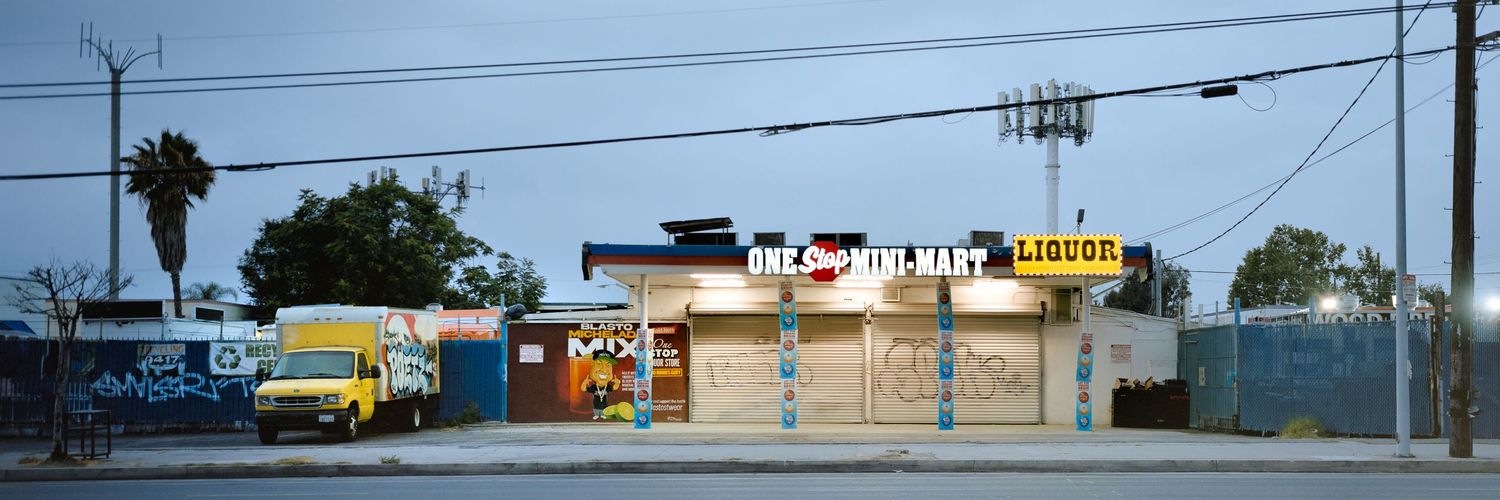
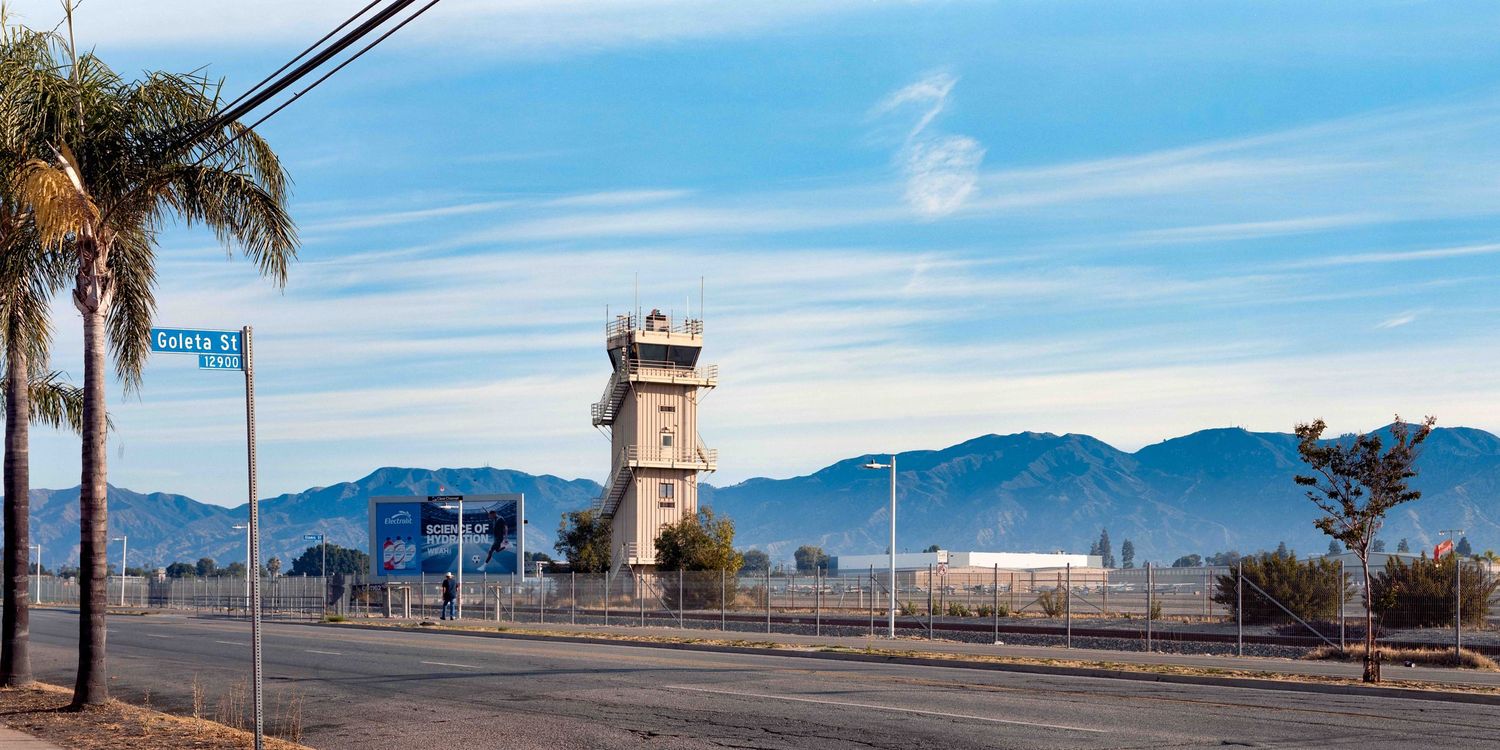
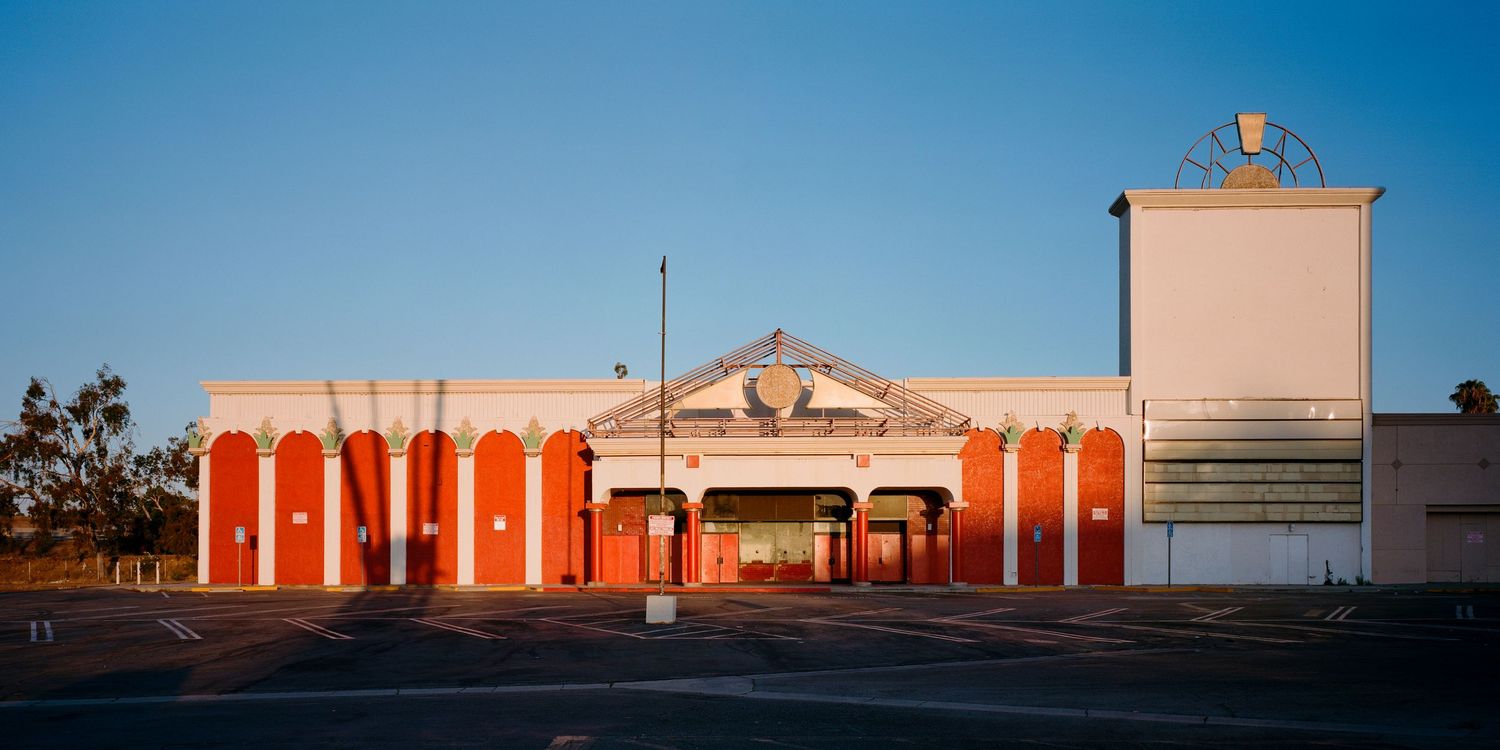
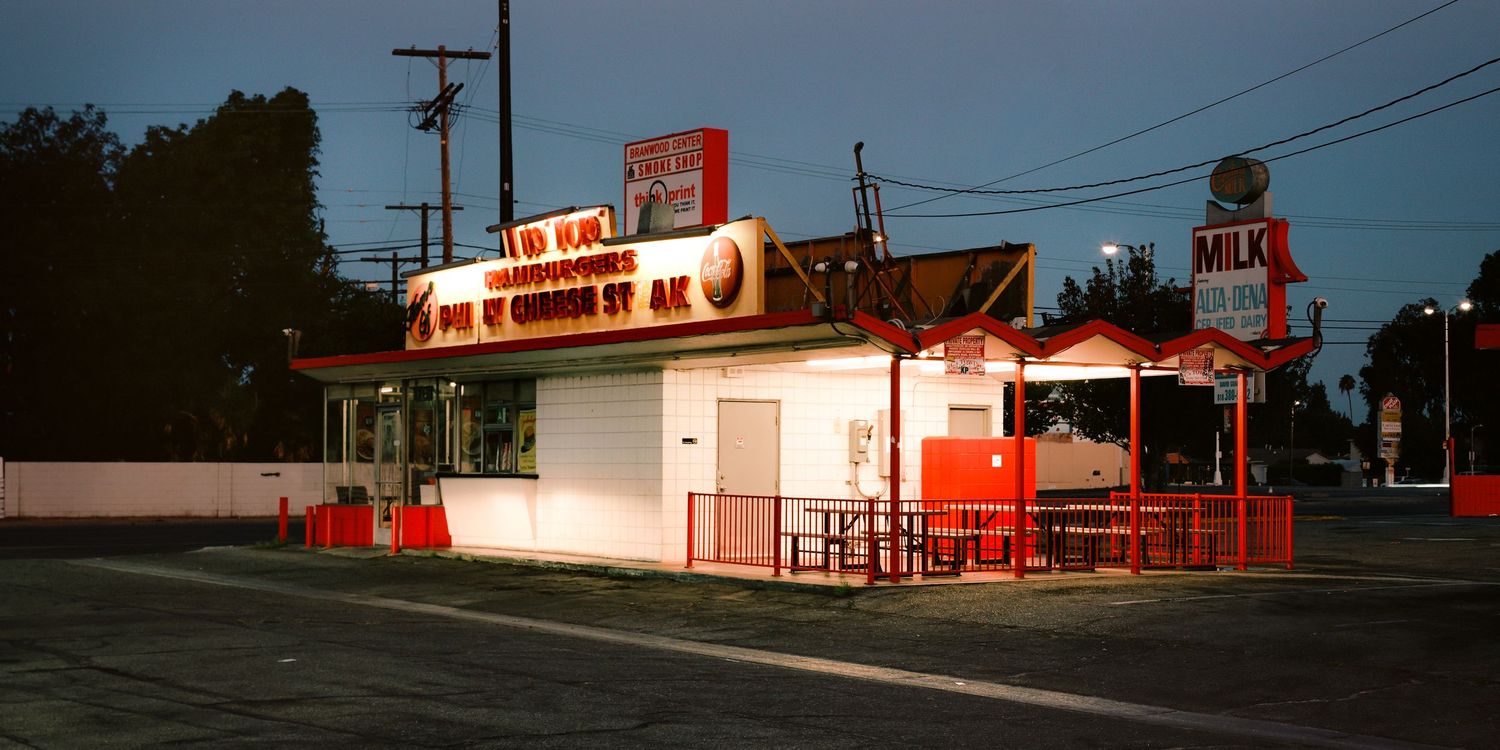
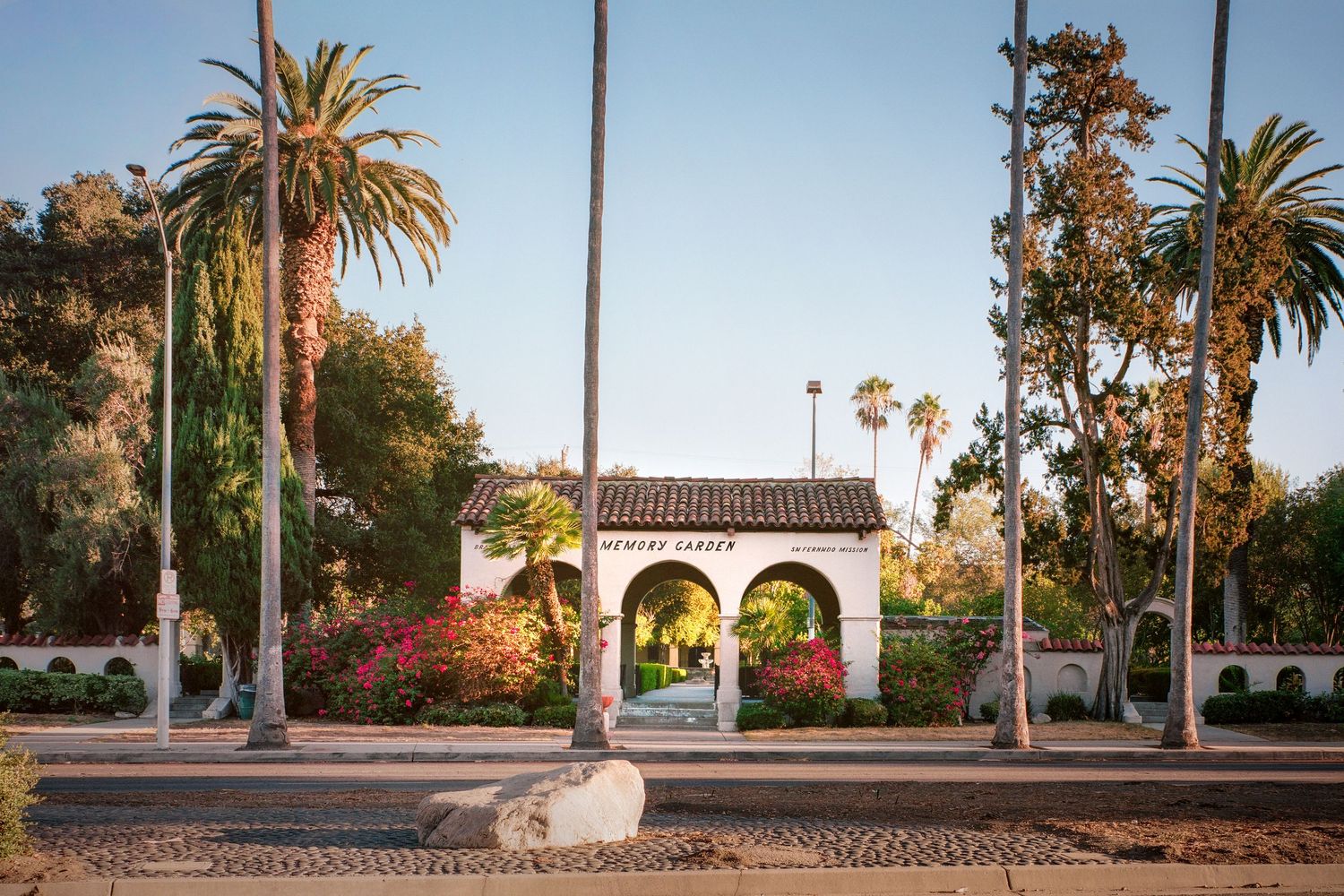
Left: "Draft" shot for this project, of the mini-mart around the corner from where I grew up. Taken with my Fuji GSW690II medium-format camera on Portra 400. Right: From the Chamonix website, of the view camera I will be using.
(Updated June 19, 2026.)
This is a project that has been brewing for a while and which I've recently begun. It would be my first photography project.
I'm hyped.
Philosophically, I'm hoping to demonstrate the inherent beauty in this part of L.A., specifically the northeast San Fernando Valley, nestled against the southern foothills of the Angeles Mountains. This is a working-class, immigrant area, with persistent ties to its indigenous roots, specifically to the Fernandeño and Tataviam people who continue to live here. The name of my specific hometown, Pacoima, comes from the Fernandeño Pakoinga / Pakɨynga, meaning "the place of the entrance," in apparent reference to the fact that this is the entrance to Tuhuunga (Tujunga), the former Fernandeño village. My headcanon is that this name is also a reference to this region being where the 5 freeway and the L.A. Aqueduct feed into the San Fernando Valley, and thus into the L.A. Basin, from the North.
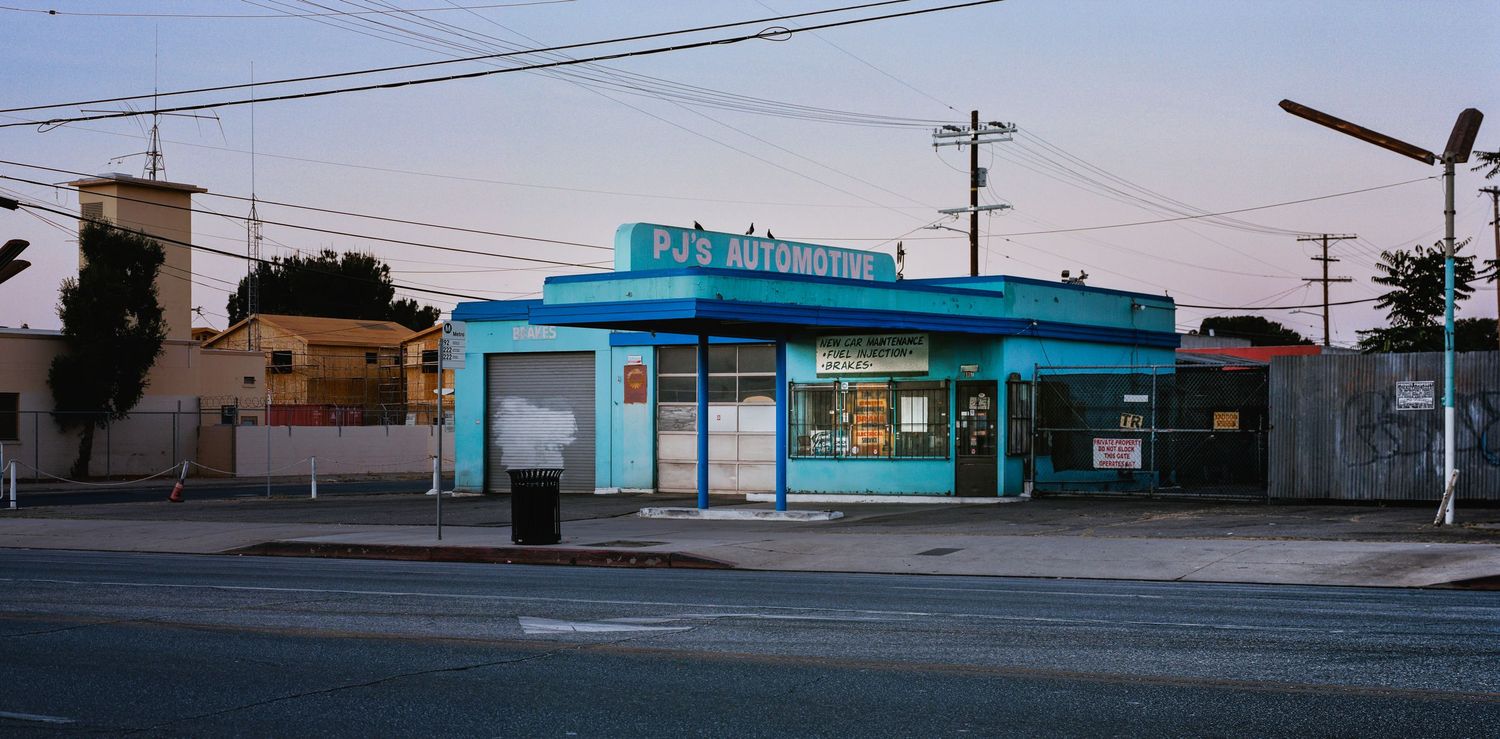
I find this area to be "no frills." It has a mix of both industrial and rural landscapes. There is nothing "to do" here, nothing that would likely make it on a top 10 list of places to visit in L.A. But it is lived-in, and that quality of life is reflected in the architecture: raw, rough, resilient, and needful.
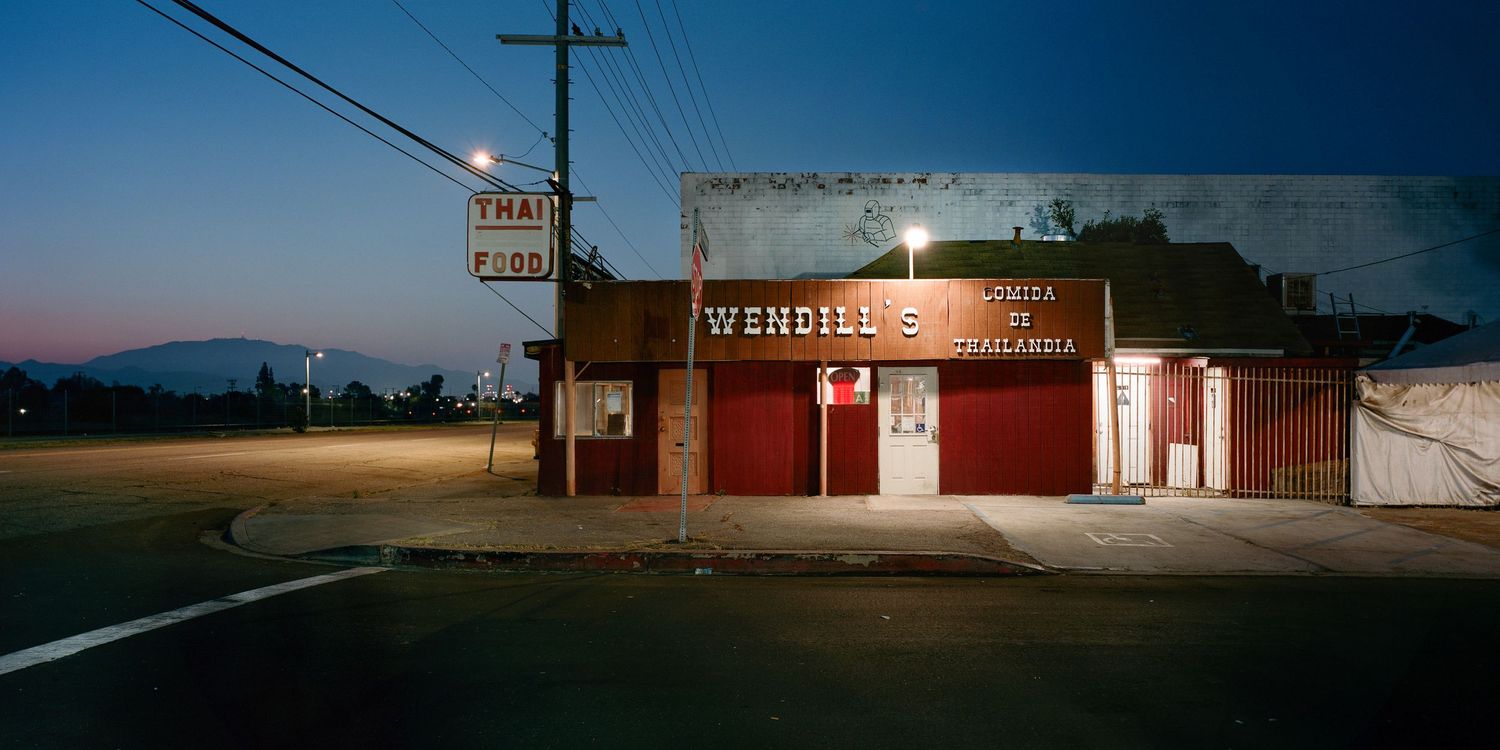
There is also quietly significant history here. For example, what may be the oldest-operating Black barber shop in the United States (if not the oldest, one of the oldest), Stylesville, is located in Pacoima. The confirmed oldest-operating restaurant in the San Fernando Valley, Wendill's, is also located in Pacoima. I plan to photograph them both.
Emotionally, this project is also about healing for me, and it is a self-portrait in the best ways that all art is a self-portrait of the artist. I moved away from this area at a time when it was pretty rough. Gang violence and other crises were at a peak. There was a particular way of moving through the world that characterized my neighborhood, a mix of alertness and clarity. This area is safer these days. Now that we can catch our breath, I can better see the environment for what it always has been: the scenery on which we survived and persisted.
In terms of genre, this project is forcing me to cosplay as an architecture photographer, and because of that this is also turning out to be my first foray into large(r)-format photography. My main tools of choice will be:
- A brand-new Chamonix 45F-2 (depicted above), which is a 4x5 large-format view camera. The craftsman behind this is based in China, and he calls his company Chamonix because he is a mountaineer, and Chamonix is a well-known region in France for mountaineering (and distance running—in fact, my brother travels there often to run!). I'm a former rock climber and of Chinese descent, so this connection is meaningful to me.
- A 6x12 film roll back to get a panoramic look. I've eschewed 6x17, which one of my inspirations Nick Carver uses just a jaunt down to Orange County. 6x17 presents unique practical challenges, and this type of photography is hard enough. Also, all of my ideation on this project indicates that I want to rein in the expansiveness on the horizontal axis. The "monumentalness" I'm going after calls for less restriction along the vertical (relative to the horizontal). We'll see. I could be wrong. I'll figure it out.
- A Schneider Super-Angulon 90mm f/8 lens and a Nikkor-W 150mm f/5.6 lens. I settled on these focal lengths after extensive scouting missions, experiments, and study, including using the Mark II Artist's Viewfinder app.
- My sturdy K&F tripod with a Benro 3-axis geared tripod head.
- A cheapo high-visibility vest I got from Amazon so I don't get run over and to minimize the appearance of sketchiness.
- My trusty, legal-to-carry knife, because, well, it's still the hood.